PRELIMINARY REPORT ON THE RESULTS OF THE 2025 ARCHAEOLOGICAL EXCAVATION AT THE SITE OF KINH THIEN PALACE
04/05/2026
In implementation of the recommendations of UNESCO/ICOMOS, Decisions No. 46 COM 7B.43 and No. 47 COM 7B.92 of the World Heritage Committee have endorsed the proposals submitted by Vietnam regarding the orientation, vision, research, conservation, and promotion of the Outstanding Universal Value of the World Heritage Site: the Central Sector of the Imperial Citadel of Thang Long – Hanoi.
Decision No. 46 COM 7B.43 approved the dismantling of six modern-era buildings currently located along the Royal Path (Ngự Đạo) within the Central Axis of the Imperial Citadel. These include the Artillery Building (CT04), the Department of Operations Building (CT17), and four additional structures (CT20, CT21, CT24, CT25). The purpose of this dismantling is to create space for archaeological excavations, aiming toward comprehensive research on the Kinh Thien Palace area and its spatial configuration.
Decision No. 47 COM 7B.92 officially approved all proposals submitted by Vietnam concerning the completion of strategies for research, conservation, and interpretation of the Thang Long Imperial Citadel heritage, with the goal of ensuring the most effective preservation and promotion of its Outstanding Universal Value.
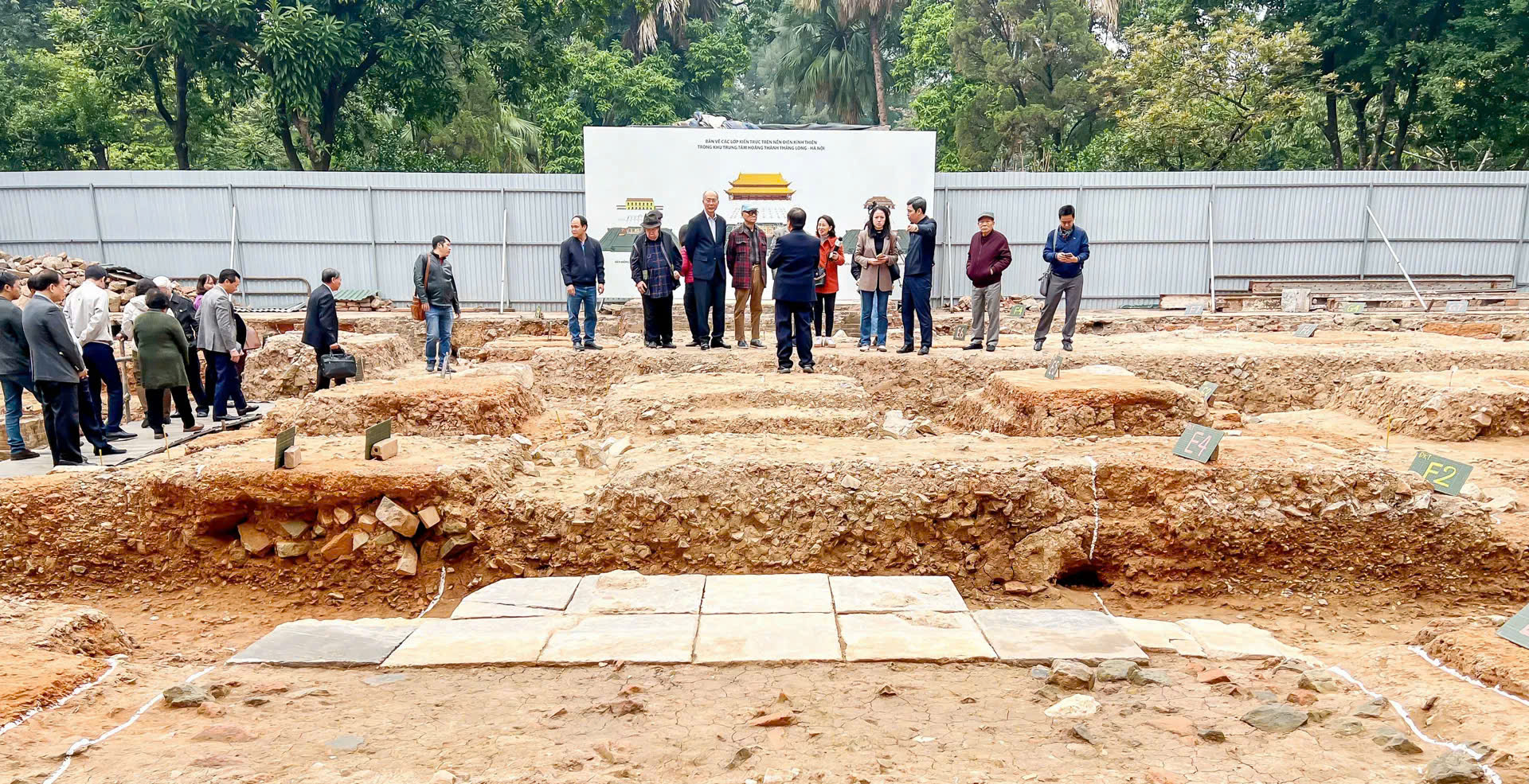
On this basis, the Thang Long – Hanoi Heritage Conservation Centre, in coordination with the Institute of Archaeology, has implemented the directives of the Hanoi People’s Committee and Decision No. 1344/QĐ-BVHTTDL dated May 13, 2025, issued by the Minister of Culture, Sports and Tourism. Accordingly, an archaeological excavation has been conducted at the foundation area of Kinh Thien Palace, located along the Central Axis of Thang Long – Hanoi, covering a total area of 580 square meters.
The excavation pit is situated beneath the former site of the Artillery Building (CT04). In order to facilitate excavation, the building was dismantled in accordance with Decision No. 46 COM 7B.43. This dismantling process was carried out in compliance with procedures reported to UNESCO, ensuring controlled implementation in accordance with the International Charter for the Conservation and Restoration of Monuments and Sites (Venice Charter 1964), as well as the 2024 Law on Cultural Heritage of Vietnam.
Preliminary Results of the 2025 Archaeological Excavation at the Kinh Thien Palace Foundation
1. The stratigraphy of the excavation area reaches a depth of approximately 6 meters, comprising six cultural layers spanning from the Pre-Thang Long period (7th–10th centuries) to the modern era (19th–20th centuries). Notably, the Le Dynasty cultural layer is the thickest, reaching nearly 3 meters and consisting of both the Early Le and Later Le (Restoration) periods.
2. Corresponding to these cultural layers are architectural remains from different historical periods, including:
This brings the total number of discovered foundation bases of Kinh Thien Palace—across excavations in 2011, 2023, and 2025—to 30 out of an estimated 36. These include both single and double foundation types.
From the Nguyen Dynasty (19th century), the excavation revealed two drainage systems and 26 out of 64 column foundations associated with the Long Thien Palace.
The remains of Long Thien Palace correspond precisely to the east–west boundaries of the former French-era Artillery Building. The exposed column foundation system and drainage structures confirm that Long Thien Palace was constructed under Emperor Gia Long following the characteristic Nguyen Dynasty architectural style known as “trùng thiềm điệp ốc” (layered roofs and interconnected halls), consisting of a front hall and a main hall built on a shared foundation and connected by an intermediate space.
3. The excavation has clarified the scale and structural foundations of Kinh Thien Palace during the Le Dynasty, as well as Long Thien Palace of the Nguyen Dynasty. Notably, it has also marked the first discovery of cultural traces from the Ly, Tran, and Pre-Thang Long periods at this location.
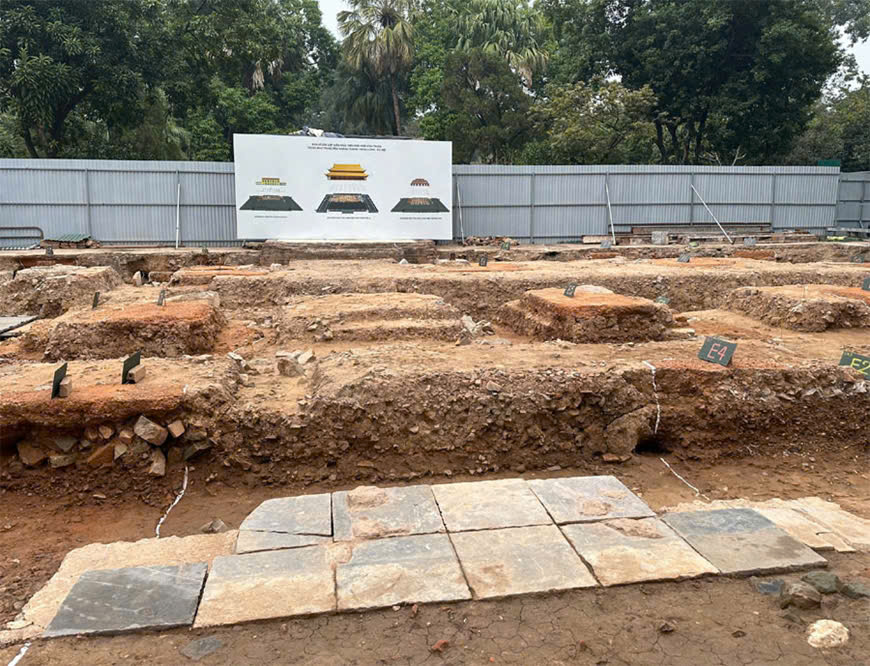
Historical records indicate that the Kinh Thien Palace foundation was entirely artificially constructed, with the ground reinforced using compacted clay and construction debris before clearly defining column foundation positions-particularly evident during the Later Le period.
The foundation system includes: Single foundations measuring approximately 2.8–3.5 x 2.5–3.5 meters; Double foundations measuring approximately 5.4–6.1 x 2.7–3 meters.
These were formed through 81 layers of compacted materials, reaching a thickness of up to 4 meters. This represents the largest architectural foundation system recorded in the history of Vietnamese architecture.
The single foundations are primarily located within the interior of the structure, while the double foundations are arranged along the outer edges. Based on the currently exposed foundations, it can be provisionally determined that the east–west layout of Kinh Thien Palace consisted of nine bays. The north–south extent, however, requires further research for precise determination.
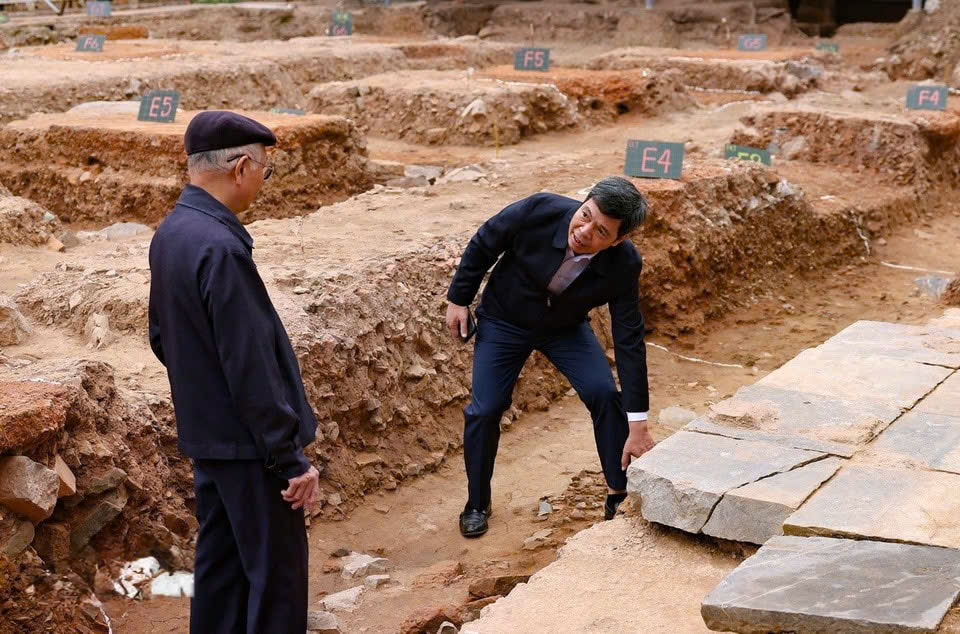
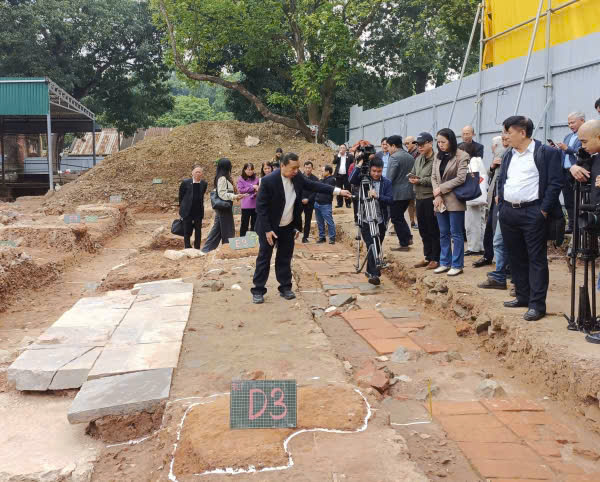
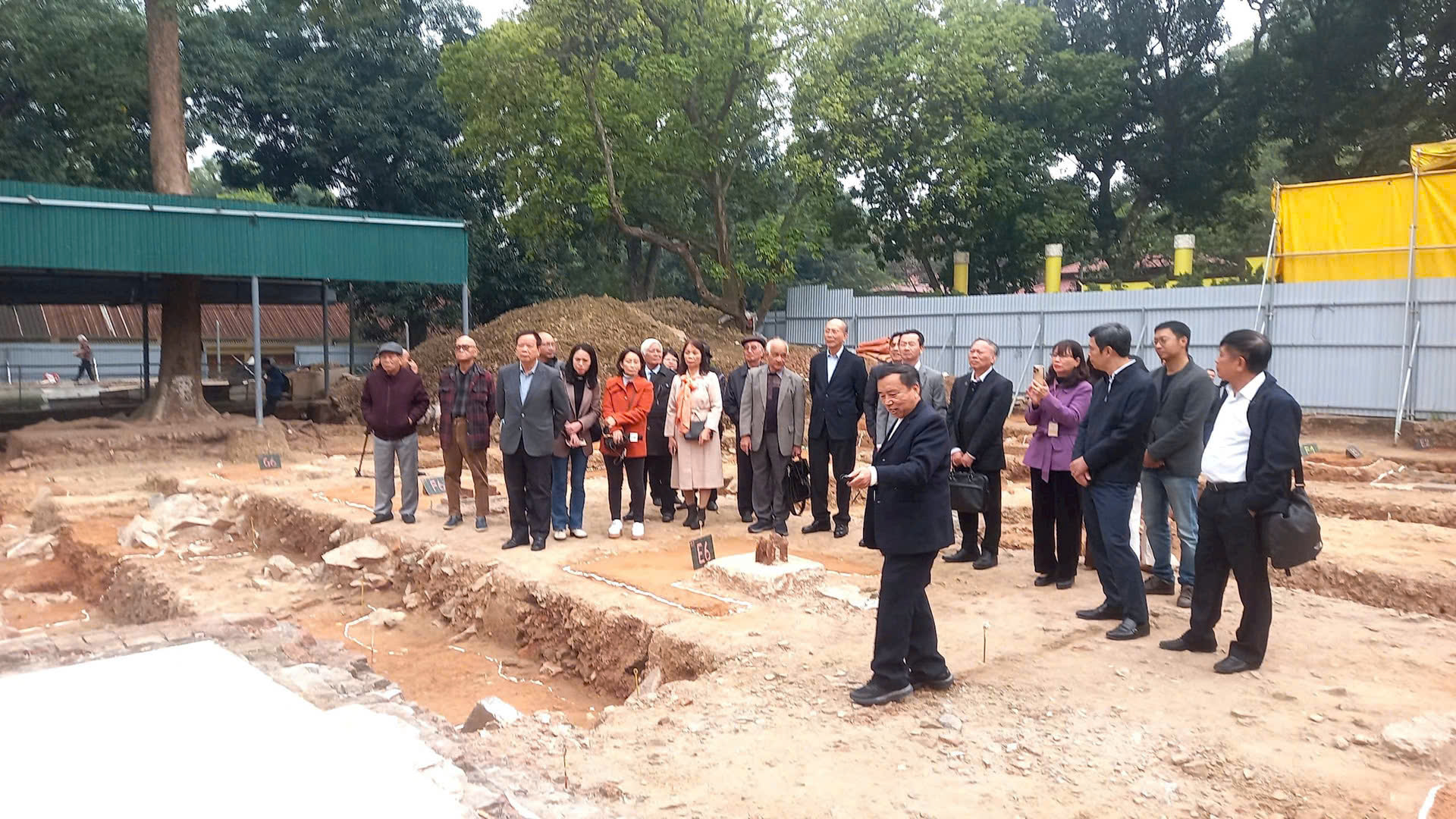
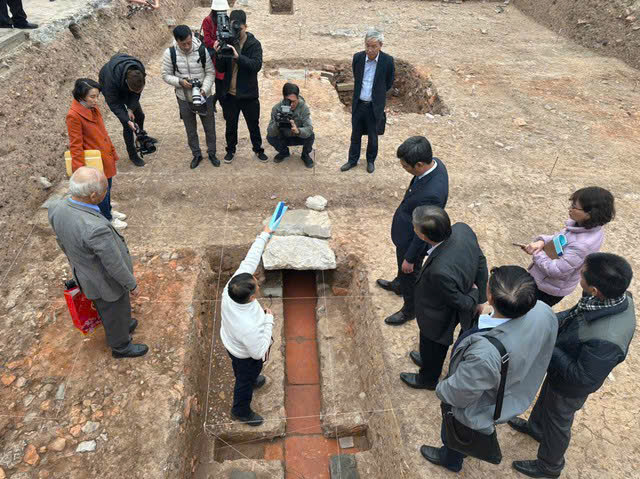
The foundations of Kinh Thien Palace from the Early and Later Le periods (15th–18th centuries) were constructed atop earlier foundations dating back to the Tran (13th–14th centuries), Ly (11th–12th centuries), and Pre-Ly (7th–10th centuries) periods.
Historical sources record that Kinh Thien Palace of the Le Dynasty was built upon the site of Thien An Palace from the Ly and Tran periods. Excavation test pits have confirmed the presence of cultural remains from these three earlier periods. However, due to UNESCO conservation requirements and the complexity of the site, the excavation has been limited to exploratory investigation, identifying six superimposed architectural layers from different periods: Dai La (7th–9th centuries), Ly, Tran, Early Le, Later Le, Nguyen, and modern times.
In conclusion, he 2025 archaeological excavation at the Kinh Thien Palace foundation has yielded significant new insights. The discovery of a 6-meter-thick cultural stratigraphy further confirms the location and structure of the Kinh Thien Palace foundation (15th–18th centuries), superimposed upon earlier layers from the Ly, Tran, and Pre-Thang Long periods.
These findings highlight the exceptional historical and cultural significance of Kinh Thien Palace within the broader context of Thang Long and Dai Viet, reflecting its sacred and central role throughout over a millennium of national history.
Moreover, the excavation provides the most reliable scientific basis for future restoration efforts of Kinh Thien Palace and its spatial complex from the Le Dynasty period. It also fully complies with UNESCO/ICOMOS recommendations and the requirements of Vietnam’s Cultural Heritage Law, thereby further substantiating the Outstanding Universal Value of the World Heritage Site: the Central Sector of the Imperial Citadel of Thang Long – Hanoi.
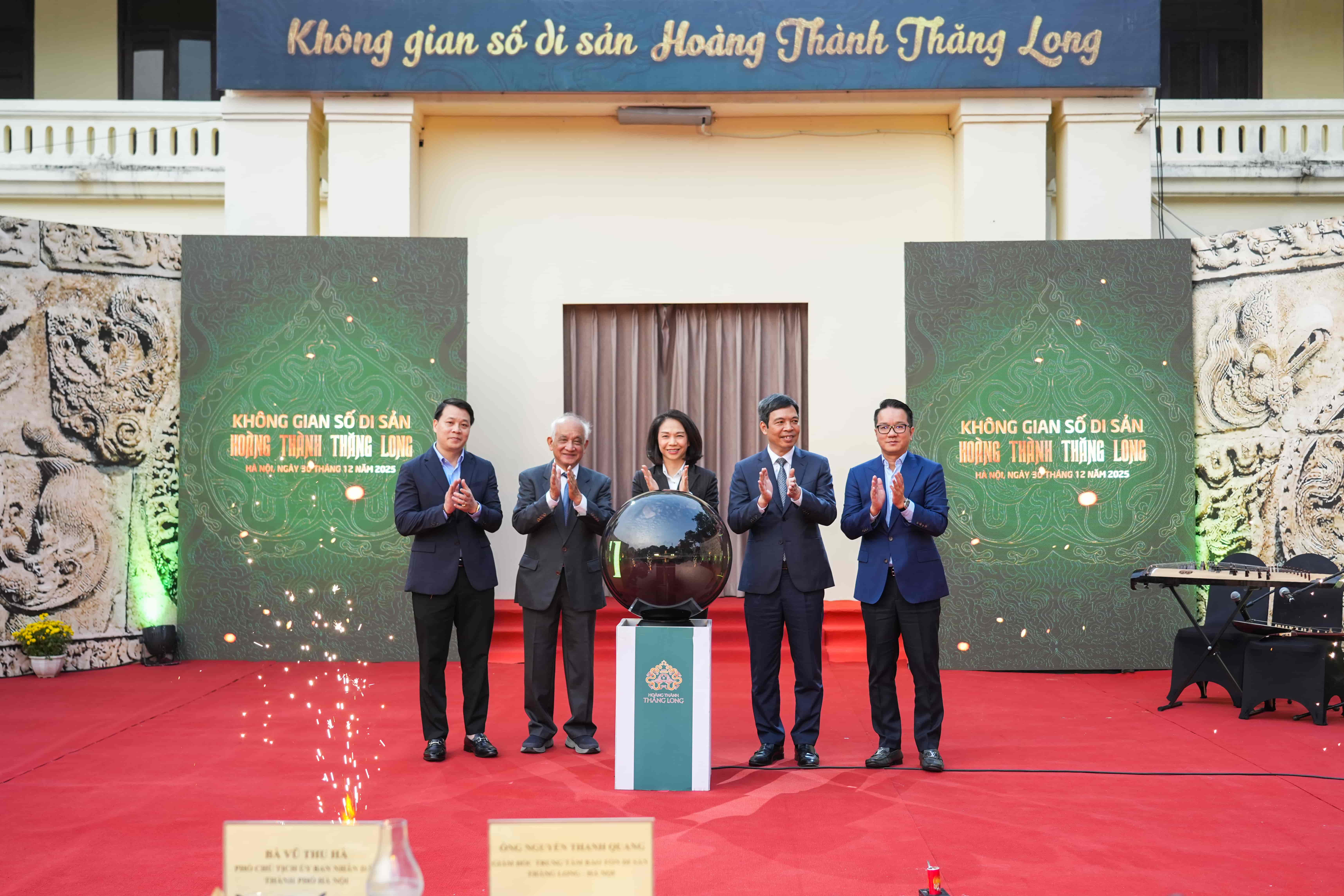
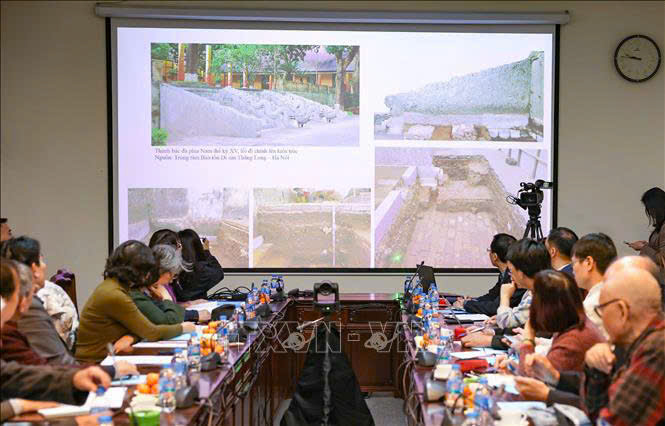
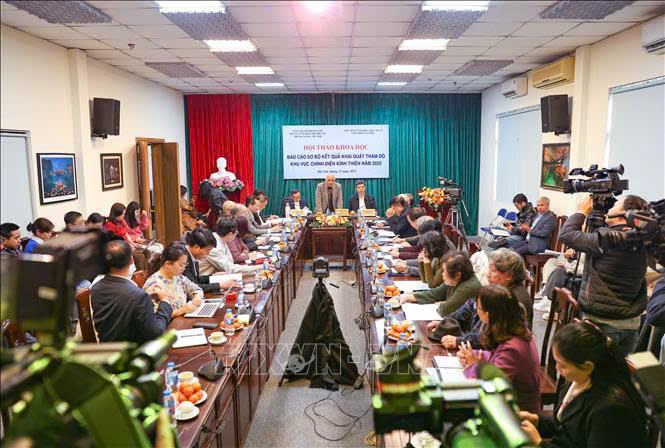
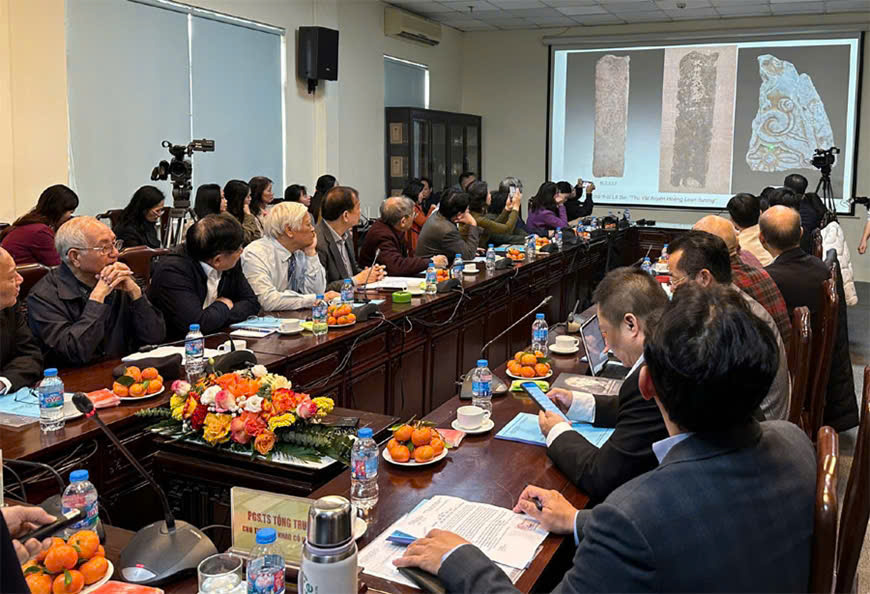
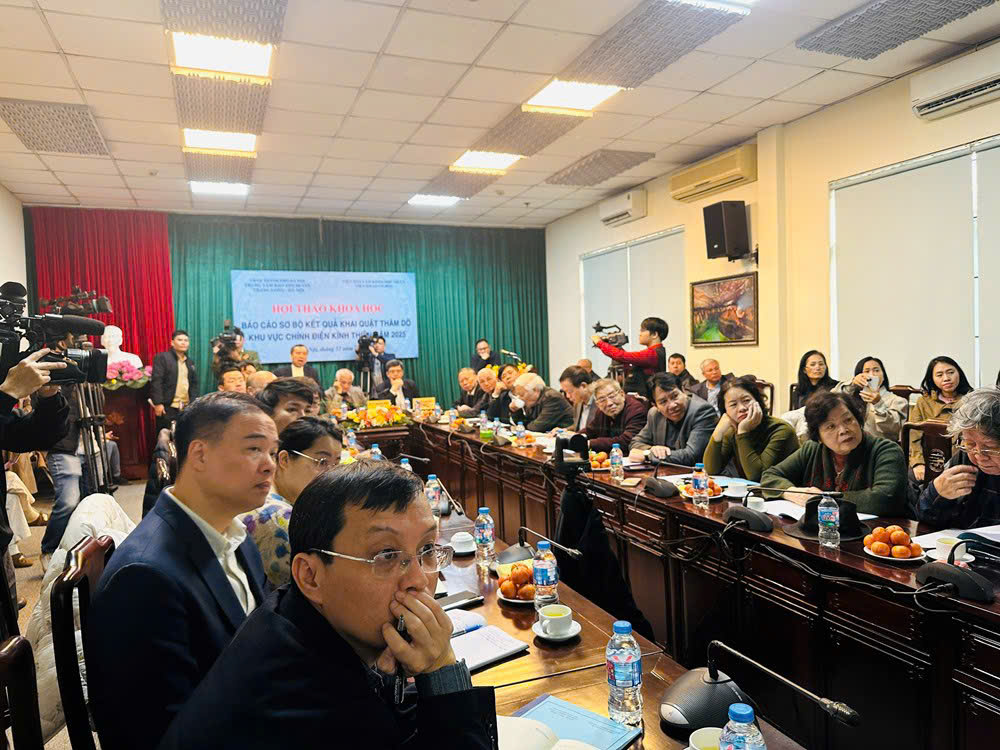
Let us take a look back at some images from the announcement event:

RELATED ARTICLES


HERITAGES OF VIETNAM
THANG LONG - HANOI HERITAGE CONSERVATION CENTER
ADD19c Hoang Dieu St, Ba Dinh, Hanoi
TEL+84-24-37345427
HOTLINE084 845 5222
FAX+84-24-37345926
EMAILinfo@hoangthanhthanglong.vn